



The Nourishing Ritual: Beard Balm & Hydrating Body Oil by Kear – Beard Care, Body Oil and Essential Oils Guide
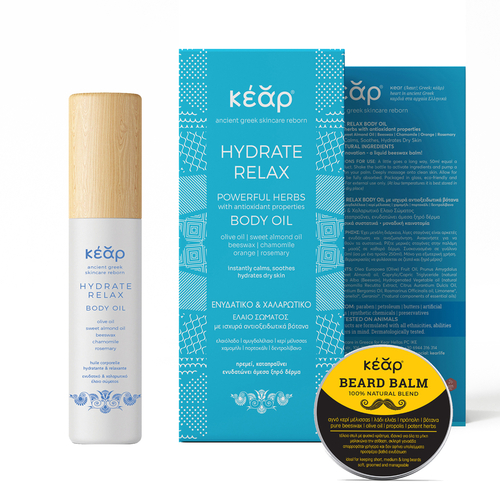
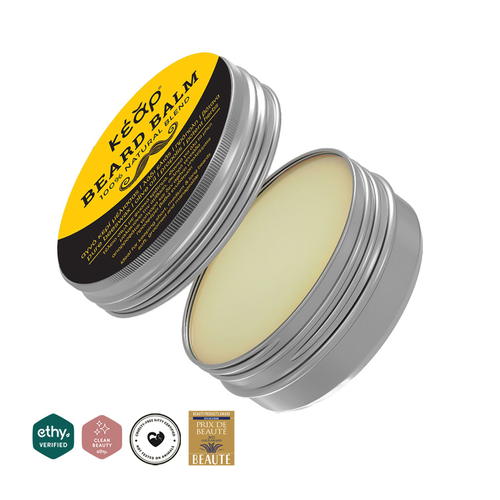
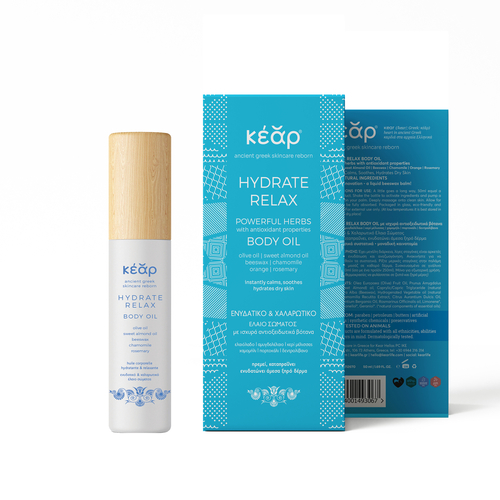
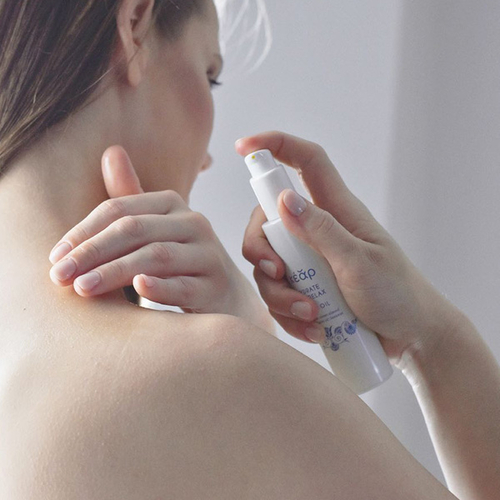
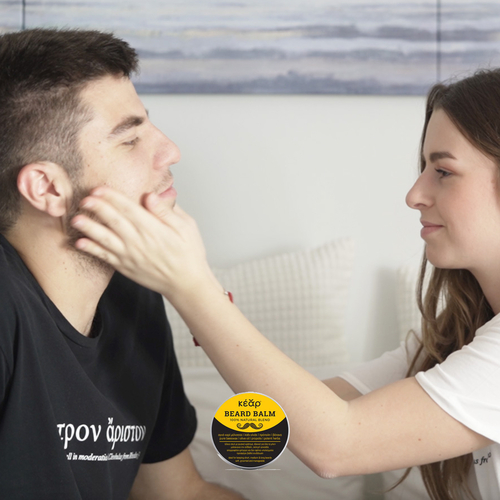
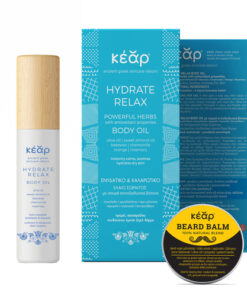
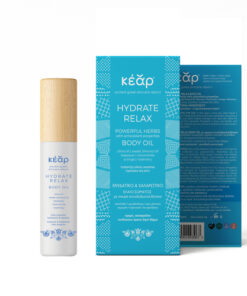
Prestige Gleam helps USA shoppers explore skincare, grooming, fragrance, body care, hair care, and personal-care products. The Nourishing Ritual: Beard Balm & Hydrating Body Oil by Kear is positioned as a coordinated grooming and body-care set built around a beard balm and hydrating body oil.
The supplied product title confirms the pairing of beard balm and body oil. However, it does not confirm the exact oils, botanical extracts, essential oils, fragrance notes, package sizes, beard-balm hold level, ingredient percentages, or whether the body oil is intended for the face. Therefore, shoppers should check the current product label before assuming specific ingredients or benefits.
In addition, this guide explains aroma oils names, the difference in essential oils, names of essential oils, best essential oils and uses, a list of essential oils and their uses, aroma oil uses, healing essential oils, essential oils and their purpose, healing aromatherapy oils, what does essential oil mean, essential oil benefits list, how many essential oils are there, different kinds of essential oils, and practical essential oil usage.
What Is The Nourishing Ritual Beard Balm & Hydrating Body Oil?
The product name describes a two-part grooming ritual.
First, the beard balm is intended for beard-related grooming. Meanwhile, the body oil is positioned around hydration and body care.
Together, the products may help create a simple routine:
Groom the beard → condition dry-feeling skin → finish with body care
However, the exact use should follow the manufacturer’s directions.
For example, a beard balm may be designed to soften beard hair, provide grooming control, or condition the skin beneath it. Yet the level of hold and conditioning depends on the formula.
Likewise, a body oil may reduce the dry or rough feeling of skin by providing emollient ingredients. However, it should not automatically be described as treating eczema, dermatitis, or another medical condition.
What Is Beard Balm?
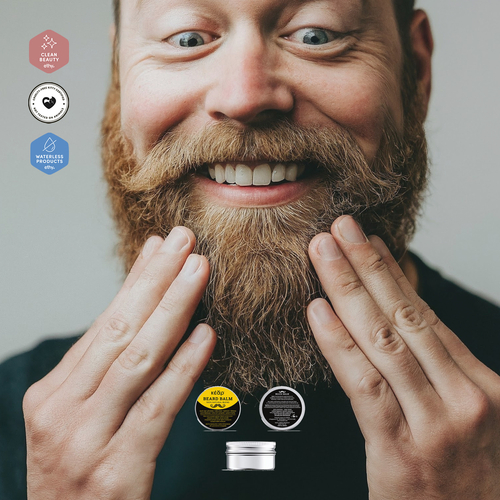
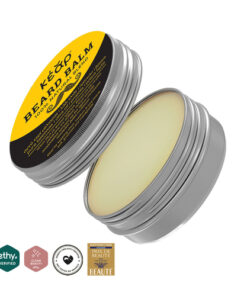
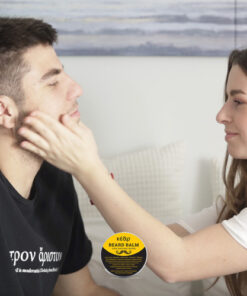
Beard balm is a grooming product used on facial hair and the skin beneath it.
Depending on its formulation, a balm can help:
- Condition beard hair
- Reduce a dry feel
- Add grooming control
- Improve manageability
- Smooth flyaway hairs
- Add shine or softness
However, not every beard balm performs the same way.
Some feel light. Others provide more styling control.
Therefore, review the product description before deciding whether it matches your beard length and grooming preference.
How to Use Beard Balm
First, begin with a clean or freshly groomed beard.
Next, use a small amount of balm.
Warm it between the fingers or palms if the formula requires it. Then, distribute it through the beard rather than placing a heavy amount in one area.
Afterward, shape the beard with your fingers, comb, or beard brush.
Most importantly, start with less product.
You can always add more, whereas excessive balm can make some beards feel heavy.
Beard Balm for Short Beards
A short beard may need only a small quantity.
For example, the goal might simply be to reduce dryness and keep short hairs neat.
Therefore, avoid assuming a large amount creates better conditioning.
Instead, use enough to coat the beard lightly.
Beard Balm for Longer Beards
Longer facial hair may require more deliberate distribution.
First, work the balm into the outer beard. Next, distribute it through the deeper layers.
In addition, gently grooming toward the skin can help spread compatible conditioning ingredients.
However, avoid aggressive pulling.
A wide-tooth comb or suitable beard brush can make grooming easier.
Beard Balm vs Beard Oil
These products overlap, but they are not identical.
Beard oil usually emphasizes lightweight conditioning. Meanwhile, beard balm often has a thicker texture and may provide more grooming control.
Therefore, someone may use one or both depending on preference.
For example, a person with a short beard may prefer oil alone. In contrast, a longer beard may benefit from the extra control of a balm.
Still, the actual formula matters more than the category name.
What Is Body Oil?
Body oil is a topical product designed to spread oils or oil-like emollients over the skin.
Its main cosmetic role is usually to improve softness and reduce a dry feel.
For many users, body oil works well after bathing.
At that point, the skin may still be slightly damp. Therefore, applying a small amount can help spread the product evenly.
However, follow the product directions rather than assuming one application method fits every formula.
What Is Hydrating Body Oil?
A hydrating body oil is generally marketed to help skin feel smoother, softer, and more comfortable.
Technically, oils primarily work as emollient and occlusive ingredients rather than supplying water to the skin.
Therefore, the term “hydrating” often describes the overall moisturized feel produced by the formula.
For dry-feeling skin, body oil can fit into a routine such as:
Shower → gently pat skin → apply body oil → add moisturizer if needed
In addition, some people prefer to layer oil over lotion.
Others use oil alone.
When Should You Apply Body Oil?
After bathing is a common option.
First, gently towel the skin.
Next, apply a small amount of oil while the skin is still comfortable and slightly damp if the product directions permit it.
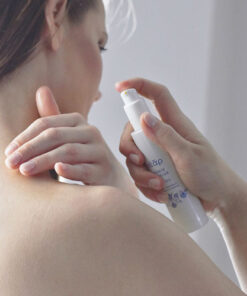
Then, massage it over the body.
As a result, the product may spread more easily than it would on completely dry skin.
However, avoid applying excessive oil to slippery areas such as the soles of the feet.
Body Oil vs Body Lotion
Both can support softer-feeling skin.
However, they differ in texture and formulation.
A lotion usually contains water plus oils and other ingredients. Body oil, on the other hand, is generally richer in oil-soluble materials.
Therefore, some people prefer lotion during the day and body oil at night.
Others combine both.
Neither option is universally better.
Can Body Oil Be Used on the Face?
Do not assume so.
A product labeled body oil may be formulated specifically for body skin.
Therefore, check whether facial use is included in the directions.
In addition, people who are acne-prone, sensitive to fragrance, or easily irritated may want to be especially careful when introducing a new oil-based facial product.
What Does Essential Oil Mean?
People asking what does essential oil mean are usually referring to concentrated aromatic materials obtained from plants.
Essential oils can be produced from flowers, leaves, peels, bark, roots, seeds, resins, and other plant parts.
Common extraction methods include steam distillation and, for some citrus materials, mechanical expression.
However, essential oils are very different from cooking oils or carrier oils.
For example, jojoba, sweet almond, sunflower seed, and argan oils are commonly used as carrier or cosmetic oils. Meanwhile, lavender, peppermint, tea tree, and eucalyptus are examples of essential oils.
Difference in Essential Oils
The difference in essential oils can involve several factors.
First, oils come from different plants.
Next, they can come from different parts of the same type of plant.
In addition, extraction method, geographic origin, growing conditions, storage, and chemical composition can affect aroma and properties.
Therefore, two essential oils should not be considered interchangeable simply because they both smell pleasant.
For example, peppermint and lavender have very different scent profiles and chemical compositions.
Aroma Oils Names
Common aroma oils names include:
- Lavender
- Peppermint
- Tea tree
- Eucalyptus
- Sweet orange
- Lemon
- Bergamot
- Rosemary
- Frankincense
- Chamomile
- Cedarwood
- Ylang-ylang
- Lemongrass
- Geranium
- Clary sage
However, the phrase “aroma oil” is broad.
It may describe a pure essential oil, a diluted essential-oil blend, a fragrance oil, or another aromatic product.
Therefore, read the label carefully.
Names of Essential Oils
Some of the most familiar names of essential oils come from aromatic plants that have been used in perfumery and personal care for many years.
Examples include lavender, eucalyptus, peppermint, rosemary, tea tree, lemon, sweet orange, frankincense, chamomile, and bergamot.
Still, familiarity does not make an oil universally safe.
Essential oils are concentrated.
Therefore, topical use requires attention to formulation and dilution.
Most Common Essential Oils
The most common essential oils used in home fragrance and personal care include lavender, peppermint, eucalyptus, tea tree, lemon, orange, rosemary, frankincense, and chamomile.
Their popularity often comes from recognizable scents and wide availability.
However, popularity should not be confused with medical effectiveness.
For this reason, cosmetic and aromatherapy descriptions should stay focused on intended use and supported evidence.
Different Kinds of Essential Oils
There are many different kinds of essential oils, and they can be grouped loosely by scent family.
Floral Essential Oils
Examples include lavender, geranium, and ylang-ylang.
These oils often appear in perfumes, bath products, and aromatic blends.
Citrus Essential Oils
Examples include lemon, sweet orange, grapefruit, and bergamot.
They are known for bright citrus aromas.
However, certain citrus essential oils can be phototoxic depending on the specific oil and processing method.
Therefore, topical products require suitable formulation.
Herbal Essential Oils
Peppermint, rosemary, basil, and clary sage are common examples.
Their scents can range from cool and minty to green and herbal.
Woody Essential Oils
Cedarwood and sandalwood-related materials provide deeper woody aromas.
Consequently, they frequently appear in fragrance blends.
Resinous Essential Oils
Frankincense and myrrh are well-known examples.
These materials are often used in perfumery, incense, and aromatherapy products.
Various Essential Oils and Their Uses
Various essential oils can have different aromatic and cosmetic roles.
Lavender, for example, is frequently used for floral fragrance.
Meanwhile, peppermint provides a strong minty sensation and aroma.
Tea tree often appears in personal-care formulations because of its characteristic herbal scent and product positioning.
Eucalyptus delivers a sharp, fresh aroma. In contrast, sweet orange offers a sweeter citrus fragrance.
Therefore, selecting an oil should begin with the actual intended use.
Best Essential Oils and Uses
There is no universal ranking of the best essential oils and uses.
Instead, “best” depends on your goal.
For fragrance, lavender or citrus may appeal to some users. Meanwhile, peppermint may suit someone who prefers a sharper mint aroma.
For diffuser use, eucalyptus, lavender, citrus, or peppermint may be popular choices.
However, diffuser compatibility and household conditions matter.
For topical products, formulation and dilution matter even more.
List of Essential Oils and Their Uses
A practical list of essential oils and their uses can look like this:
| Essential Oil | Common Non-Medical Use |
|---|---|
| Lavender | Fragrance, bath products, diffusers |
| Peppermint | Minty fragrance, diffuser blends |
| Eucalyptus | Fresh aromatic products, diffusers |
| Tea Tree | Personal-care and aromatic formulations |
| Sweet Orange | Citrus fragrance, diffusers |
| Lemon | Fresh citrus fragrance |
| Bergamot | Perfume and aromatic blends |
| Rosemary | Herbal fragrance, hair-care formulations |
| Frankincense | Perfume, aromatic blends |
| Chamomile | Floral-herbal fragrance |
| Cedarwood | Woody fragrance |
| Ylang-Ylang | Floral fragrance and perfume |
However, this list describes common product uses rather than medical treatments.
Essential Oils and Their Purpose
Essential oils and their purpose vary according to the product.
For example, an essential oil may provide:
- Fragrance
- Aromatic character
- A sensory cooling or warming effect
- Product identity
- Perfume complexity
- Diffuser scent
- Bath-product aroma
In addition, some essential oils have been studied for biological properties.
However, laboratory findings do not automatically mean a household essential oil product can treat a disease.
Therefore, separate research findings from consumer product claims.
Aroma Oil Uses
Common aroma oil uses include:
- Diffusers
- Perfume blends
- Bath products
- Scented soaps
- Body oils
- Massage products
- Candles or home fragrance products when specifically formulated for them
However, the label should determine how a product is used.
Do not assume a diffuser oil is suitable for skin.
Likewise, a fragrance oil should not automatically be treated as a pure essential oil.
Essential Oil Usage
Safe essential oil usage starts with identifying the product.
First, determine whether it is pure essential oil, a diluted blend, a cosmetic product, or fragrance oil.
Next, check the intended use.
Then, follow the directions.
For topical use, avoid applying concentrated essential oils directly to skin simply because they are natural.
In addition, keep essential oils away from the eyes and other sensitive areas.
Essential Oil Benefits List
An essential oil benefits list should avoid turning fragrance products into medicines.
Reasonable cosmetic and sensory benefits may include:
- Creating fragrance
- Adding aroma to personal-care products
- Enhancing a bath or grooming ritual
- Providing a cooling sensory feel in properly formulated products
- Adding aromatic complexity to perfumes
- Supporting personalized scent experiences
However, essential oils should not automatically be described as curing infections, anxiety, insomnia, eczema, arthritis, or other conditions.
For U.S. regulatory context, the FDA’s aromatherapy guidance explains that a product’s intended use and claims affect whether it is regulated as a cosmetic, drug, or both.
Healing Essential Oils
The phrase healing essential oils is common online, but it can be misleading.
An essential oil may have traditional uses or may be studied for specific biological activities. However, that does not mean every retail essential-oil product has been proven to heal medical conditions.
Therefore, it is more accurate to describe essential oils in terms of fragrance, cosmetic formulation, sensory use, or appropriately supported research.
A serious skin, respiratory, infectious, or other health condition deserves appropriate medical care.
Healing Aromatherapy Oils
Similarly, healing aromatherapy oils should not be treated as a formal medical category.
Aromatherapy usually involves using aromatic plant materials for sensory or fragrance experiences.
Some people associate specific scents with relaxation or alertness. However, personal experience is different from proven treatment.
Therefore, avoid substituting aromatherapy for medical care.
Oils for Healing
People searching for oils for healing may be looking for products to help dry skin, damaged skin, stress, soreness, or another concern.
However, the word “healing” needs context.
A cosmetic oil can help soften dry-feeling skin and reduce moisture loss. Yet it should not automatically be described as healing wounds, infections, burns, eczema, or other medical conditions.
For damaged or broken skin, follow appropriate medical guidance rather than applying unfamiliar essential oils.
Essential Oils Properties
Essential oils properties differ because each oil contains a different mixture of aromatic compounds.
For example:
- Peppermint is associated with menthol-rich aromatic characteristics.
- Eucalyptus oils often contain strong cineole-related aromas.
- Lavender oils are known for floral-herbal aromatic compounds.
- Citrus peel oils commonly contain limonene-rich profiles.
However, composition can vary by species and processing.
Therefore, product identity matters.
Essential Oils and Meanings
The phrase essential oils and meanings often appears in lifestyle or aromatherapy content.
Some traditions associate lavender with calm, peppermint with energy, citrus with freshness, and frankincense with reflection.
However, these meanings are cultural or symbolic rather than scientific rules.
Therefore, they can be useful for fragrance storytelling but should not be presented as guaranteed psychological effects.
What Each Essential Oil Does
The question what each essential oil does does not have one simple answer.
Instead, focus on the role of each oil in the product.
For example, lavender may provide floral fragrance. Peppermint may contribute a cooling scent. Meanwhile, eucalyptus may provide a fresh aromatic profile.
Tea tree can add a distinctive herbal character, while citrus oils create brighter fragrance notes.
Therefore, the actual effect depends on concentration, formulation, route of use, and individual response.
List of Aromatherapy Oils and Uses
A basic list of aromatherapy oils and uses may include:
- Lavender: floral aroma for diffusers and fragrance blends
- Peppermint: strong mint aroma
- Eucalyptus: fresh herbal aroma
- Sweet orange: sweet citrus fragrance
- Lemon: bright citrus aroma
- Rosemary: herbal scent
- Frankincense: resinous aroma
- Chamomile: soft herbal-floral aroma
- Cedarwood: woody fragrance
- Bergamot: citrus-floral perfume note
In addition, blends often combine several oils.
However, follow diffuser instructions and product-specific safety guidance.
List of Aromatherapy Oils and Benefits
A responsible list of aromatherapy oils and benefits should focus on sensory and fragrance benefits rather than promise medical outcomes.
Lavender can contribute a soft floral aroma. Meanwhile, sweet orange provides a bright citrus scent.
Peppermint creates a crisp minty fragrance, while eucalyptus delivers a fresh herbal profile.
Frankincense provides a deeper resinous aroma.
Therefore, the primary consumer benefit is often the scent experience itself.
How Many Essential Oils Are There?
There is no single universally accepted number for how many essential oils are there.
Thousands of aromatic plant species exist, while hundreds of essential oils and related aromatic extracts are used commercially or studied.
However, only a smaller group is widely available in mainstream personal care and aromatherapy.
In addition, botanical classification can complicate counting because different species, subspecies, cultivars, plant parts, and extraction methods may produce distinct oils.
Therefore, claims such as “there are exactly 90 essential oils” oversimplify the subject.
Essential Oils vs Carrier Oils
This distinction matters.
Essential oils are concentrated aromatic plant materials.
Carrier oils, meanwhile, are generally fixed oils that can form the base of skincare, massage, beard, or body products.
Common carrier or cosmetic oils include:
- Jojoba oil
- Argan oil
- Sweet almond oil
- Sunflower seed oil
- Grapeseed oil
Therefore, a hydrating body oil may contain carrier oils, essential oils, or both.
Check the ingredient list for the exact formulation.
Are Essential Oils Safe Undiluted?
Do not assume so.
Concentrated essential oils can irritate or sensitize skin.
Therefore, topical use generally requires appropriate formulation or dilution according to reliable product instructions.
Moreover, “100% pure” does not mean:
- Safe undiluted
- Allergy-free
- Safe for everyone
- Safe to ingest
- Suitable for infants
- Appropriate for pets
Purity and safety are separate issues.
Essential Oils for Sensitive Skin
Sensitive skin requires extra care.
For example, fragrance and essential oils can trigger irritation in some people.
Therefore, people with known fragrance sensitivity may prefer fragrance-free body-care products.
In addition, stop using a product if it causes significant burning, itching, swelling, or persistent redness.
Essential Oils in Beard Products
Essential oils may sometimes provide fragrance to beard products.
However, not every beard balm contains them.
Therefore, check the ingredient list before assuming this Kear product includes a particular essential oil.
If a beard balm is fragranced, avoid direct contact with the eyes and discontinue use if significant irritation occurs.
Essential Oils in Body Oil
Body oils can also contain aromatic materials.
For example, a manufacturer may add botanical fragrance, essential oils, or a perfume blend.
However, the term body oil does not tell you which one is present.
Therefore, ingredient transparency matters, especially for users with fragrance sensitivities.
How to Build a Simple Beard and Body Ritual
First, cleanse as needed.
Next, gently dry the beard and skin.
Then, apply a small amount of beard balm and distribute it evenly.
After that, apply body oil to appropriate areas according to the directions.
Finally, store both products properly.
This straightforward routine can provide grooming and moisturization without unnecessary complexity.
Beard Grooming Mistakes to Avoid
Common mistakes include using too much product, pulling aggressively with a comb, ignoring skin irritation, and assuming more fragrance means better grooming.
Instead, use products in moderate amounts.
In addition, clean beard tools regularly.
Finally, stop using a balm if persistent irritation develops.
Body Oil Mistakes to Avoid
Too much oil can leave the skin unnecessarily greasy.
Therefore, begin with a small amount.
Likewise, avoid using a body product around the eyes unless specifically intended for that area.
Do not apply unfamiliar fragranced products to broken or inflamed skin.
Finally, be careful around floors and bathroom surfaces because oil can make them slippery.
How to Choose the Best Essential Oils
A best essential oils guide should begin with purpose rather than popularity.
Ask yourself:
- Is the oil for a diffuser?
- Is it part of a finished skincare product?
- Do I want a floral, citrus, mint, herbal, or woody aroma?
- Do I have fragrance sensitivities?
- Are children or pets present?
- Does the manufacturer provide clear directions?
Next, verify the botanical name and intended use.
Finally, avoid buying only because a product promises to “heal everything.”
Best Essential Oils Guide for Beginners
Beginners may find familiar oils easier to understand.
For example, lavender, sweet orange, peppermint, eucalyptus, rosemary, and frankincense represent several distinct scent families.
However, you do not need a huge collection.
Instead, start with one or two oils that suit your intended use.
Then, learn their handling and storage requirements before expanding.
Oil Uses List for Beauty and Grooming
A practical oil uses list within beauty can include:
Carrier oils: moisturization, beard conditioning, massage, hair-product formulation, body oils.
Essential oils: fragrance, perfume, diffuser use, aromatic bath or personal-care formulations.
Cleansing oils: makeup, sunscreen, and oily-residue removal when properly formulated.
Hair oils: conditioning and improving the feel or appearance of dry lengths.
However, these categories overlap.
Therefore, the product label remains the best guide.
Where to Buy Beard Balm & Hydrating Body Oil
Prestige Gleam gives USA shoppers a place to explore beard care, body oils, skincare, grooming products, fragrance, and personal-care essentials.
When exploring The Nourishing Ritual: Beard Balm & Hydrating Body Oil by Kear through Prestige Gleam, review the current product page for:
- Full ingredient list
- Beard balm size
- Body oil size
- Fragrance information
- Directions
- Intended body areas
- Storage guidance
- Precautions
Because the supplied title is incomplete after “Kear,” this article does not assume the missing brand wording or any unlisted formula details.
Frequently Asked Questions
What is beard balm?
Beard balm is a facial-hair grooming product that may condition, smooth, or provide styling control depending on its formulation.
What is hydrating body oil?
Hydrating body oil is an oil-based skincare product intended to leave body skin feeling softer and more moisturized.
Can I use body oil every day?
Many body oils can be used regularly. However, follow the specific product directions and adjust frequency according to how your skin responds.
What does essential oil mean?
An essential oil is a concentrated aromatic material obtained from a plant through processes such as distillation or mechanical expression.
What is the difference in essential oils?
Essential oils differ in plant species, plant part, chemical composition, aroma, extraction method, and intended use.
What are the most common essential oils?
Lavender, peppermint, eucalyptus, tea tree, lemon, sweet orange, rosemary, frankincense, and chamomile are widely recognized examples.
What are the best essential oils and uses?
There is no universal best oil. Instead, choose based on the intended fragrance, cosmetic application, diffuser use, and personal preference.
What are aroma oil uses?
Aroma oils may be used in diffusers, perfumes, soaps, bath products, body oils, and other fragrance applications. However, check whether the product is an essential oil, fragrance oil, or diluted blend.
Are healing essential oils medically proven?
The phrase is too broad. Although some essential oils are studied scientifically, retail essential-oil products should not automatically be described as treatments for disease.
What are healing aromatherapy oils?
“Healing aromatherapy oils” is mainly a wellness-marketing phrase rather than a formal medical category. Therefore, aromatherapy should not replace necessary healthcare.
How many essential oils are there?
There is no single accepted total. Hundreds of essential oils and aromatic extracts exist commercially, while many more aromatic plant species occur worldwide.
Are essential oils the same as carrier oils?
No. Essential oils are concentrated aromatic plant materials, while carrier oils such as jojoba or sunflower oil are fixed oils commonly used as cosmetic bases.
Can essential oils go directly on skin?
Do not assume so. Instead, use an appropriately formulated topical product or follow reliable dilution and usage directions.
What are essential oils used for?
They are commonly used for fragrance, aromatherapy, perfumery, bath products, personal-care formulations, and sensory experiences.
Where can I buy Beard Balm & Hydrating Body Oil?
Explore beard care, body oils, grooming, fragrance, and personal-care products through Prestige Gleam.
Final Thoughts
The Nourishing Ritual: Beard Balm & Hydrating Body Oil by Kear brings beard grooming and body moisturization into one coordinated personal-care routine. The beard balm can support beard manageability according to its formulation, while the hydrating body oil is positioned to help body skin feel softer and more conditioned.
Meanwhile, understanding names of essential oils, essential oils and their purpose, different kinds of essential oils, and essential oil usage can make fragrance and grooming purchases easier.
However, terms such as healing essential oils, healing aromatherapy oils, and oils for healing should be used carefully. Essential oils can offer fragrance and sensory benefits, but they should not automatically be presented as treatments for medical conditions.
Therefore, start with the intended use, read the ingredient label, follow directions, and choose oils according to actual needs rather than exaggerated claims.
Explore beard balms, body oils, fragrances, skincare, grooming products, and other personal-care essentials through Prestige Gleam.
Be the first to review “The Nourishing Ritual: Beard Balm & Hydrating Body Oil by Kear”
Related products
Skincare
Skincare
Skincare
Skincare
Skincare
Reviews
There are no reviews yet.